

Understanding the Indian Market Landscape
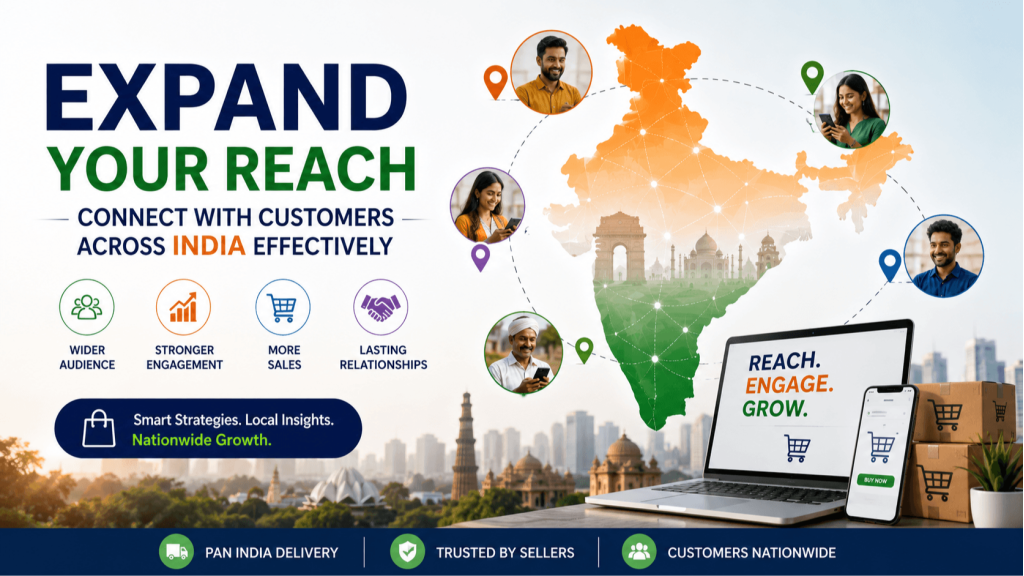
India, with its rich tapestry of cultures, languages, and traditions, presents a unique and diverse market landscape. The country is home to over 1.46 billion people, making it the second-most populous nation in the world. An online selling platform can help businesses reach customers nationwide without large marketing investments. However, to tap into this vast market effectively, it's crucial to understand the intricacies that shape consumer behavior and purchasing decisions across different regions.
The Indian market is characterized by its diversity in consumer preferences, buying patterns, and socio-economic backgrounds. Urban areas, such as Mumbai, Delhi, and Bangalore, showcase a faster adoption of modern retail formats and digital shopping, driven by higher disposable incomes and exposure to global trends. On the other hand, rural regions, which constitute a significant portion of the population, present different challenges and opportunities. Here, traditional retail methods and community-based buying behaviors are more prevalent, necessitating tailored marketing strategies.
Economic disparities also play a significant role in shaping the Indian market landscape. While the middle class is rapidly growing, there remains a substantial segment of the population that lives below the poverty line. Consequently, businesses must adopt a multi-faceted approach to cater to the varying needs and expectations of these diverse consumer segments. Understanding local customs, languages, and cultural nuances is vital for crafting effective marketing campaigns that resonate with the target audience.
Importance of Customer Connection in India
In India, establishing a strong connection with customers is not just beneficial but essential for business success. The Indian consumer is known for their loyalty to brands that engage with them meaningfully and understand their unique needs. A deep-rooted cultural emphasis on relationships and trust means that businesses must go beyond transactional interactions and build lasting connections with their customers.
Customer connection in India hinges on personalized experiences and authentic engagement. Indian consumers appreciate brands that take the time to understand their preferences and provide tailored solutions. This personalized approach can significantly enhance customer satisfaction and loyalty, leading to repeat business and positive word-of-mouth referrals. In a market as competitive as India, where consumers have numerous choices, building a strong emotional bond with customers can be a key differentiator.
Moreover, the digital revolution has transformed the way businesses connect with Indian consumers. With the proliferation of smartphones and internet access, customers now expect seamless and instant communication with brands. Social media platforms, messaging apps, and e-commerce websites have become integral channels for customer interaction. Businesses that leverage these digital tools effectively can foster a sense of community and engagement, creating a loyal customer base that advocates for their brand.
Key Demographics and Consumer Behavior in India
Understanding the key demographics and consumer behavior in India is crucial for crafting effective marketing strategies. The Indian population is young, with over 65% of people below the age of 35. This youthful demographic is tech-savvy, open to new experiences, and heavily influenced by social media and digital content. As digital natives, they prefer brands that offer convenience, quick access to information, and seamless online shopping experiences.
Another significant demographic trend is the rise of the urban middle class. This segment has seen substantial growth in disposable incomes and aspirations for a higher standard of living. Middle-class consumers are more inclined towards branded products, quality, and value for money. They are also more likely to engage with brands that align with their lifestyle aspirations and values. Therefore, businesses targeting this segment should focus on quality, brand reputation, and aspirational marketing.
Rural consumers, who make up a large portion of the Indian population, exhibit different buying behaviors. They tend to be more price-sensitive and rely heavily on word-of-mouth recommendations from trusted community members. Traditional media, such as television and radio, play a significant role in influencing their purchasing decisions. Businesses aiming to reach rural consumers need to emphasize affordability, reliability, and community engagement in their marketing strategies. Understanding these distinct consumer behaviors across different demographics is essential for businesses to effectively connect with their target audience in India.
Effective Communication Channels to Reach Indian Customers
Reaching Indian customers requires a strategic approach to communication channels, considering the diverse preferences and media consumption habits across the country. Traditional media, such as television, radio, and print, continue to hold significant sway, especially in rural areas and among older demographics. Television remains one of the most powerful mediums, with a high penetration rate and the ability to reach millions of households. Brands can leverage television advertising to create mass awareness and drive brand recall.
Radio is another effective communication channel, particularly in rural and semi-urban regions. With its extensive reach and localized content, radio can effectively target specific regional audiences. Community radio stations, which broadcast in local languages, are particularly impactful in rural areas. Print media, including newspapers and magazines, also play a crucial role in reaching older demographics and those who prefer traditional forms of media consumption.
A modern eCommerce marketplace helps businesses engage customers through multiple digital touchpoints. Social media platforms like Facebook, Instagram, and Twitter offer powerful avenues for engagement, allowing brands to interact with customers in real-time and build a loyal following. Messaging apps like WhatsApp have become essential for personalized communication, enabling businesses to send targeted messages, updates, and promotions directly to customers. E-commerce platforms and mobile apps provide convenient shopping experiences, catering to the growing preference for online shopping among Indian consumers. By leveraging a mix of traditional and digital communication channels, businesses can effectively expand their reach and connect with customers across India.
Leveraging Social Media for Customer Engagement
Social media combined with a strong marketplace presence can help businesses increase online sales significantly in India. With millions of active users, platforms like Facebook, Instagram, Twitter, and LinkedIn offer unparalleled opportunities for brands to connect with their target audience. Social media allows businesses to create a dynamic and interactive presence, fostering a sense of community and engagement among their followers.
One of the key advantages of social media is its ability to facilitate real-time communication. Brands can respond to customer queries, feedback, and concerns instantly, demonstrating their commitment to customer satisfaction. Engaging content, such as videos, live streams, and stories, can captivate the audience and encourage them to interact with the brand. Social media contests, polls, and user-generated content campaigns can further drive engagement and create a sense of involvement among followers.
Moreover, social media platforms offer powerful targeting and advertising capabilities. Businesses can leverage demographic, geographic, and behavioral data to create highly targeted ad campaigns that resonate with specific audience segments. Influencer marketing is another effective strategy on social media, where brands collaborate with popular influencers to reach a wider audience and build credibility. By harnessing the power of social media, businesses can create meaningful connections with their customers and drive sustained engagement.
Localizing Your Marketing Strategy for Diverse Regions
India's vast and diverse landscape necessitates a localized approach to marketing. Different regions in India have distinct languages, cultures, and preferences, making it essential for businesses to tailor their marketing strategies accordingly. Localization involves adapting marketing messages, content, and campaigns to resonate with regional audiences, ensuring that they feel understood and valued.
Language is a critical aspect of localization. While Hindi is widely spoken, India is home to numerous regional languages, including Tamil, Telugu, Bengali, and Marathi, among others. Creating marketing content in local languages can significantly enhance its relevance and impact. Advertisements, social media posts, and customer support in regional languages can foster a stronger connection with the audience and improve engagement.
Cultural nuances and regional festivals also play a significant role in shaping consumer behavior. Businesses can leverage these cultural touchpoints to create campaigns that align with local traditions and celebrations. For example, marketing efforts during Diwali, Pongal, or Durga Puja can incorporate elements that resonate with the cultural significance of these festivals. Understanding regional preferences and consumer behavior allows businesses to craft personalized and culturally relevant marketing messages that drive higher engagement and loyalty.
Utilizing Mobile Marketing to Connect with Customers
An online shopping marketplace optimized for mobile users can improve customer engagement and conversions. Mobile marketing has emerged as a powerful tool for businesses to connect with customers in India. With the widespread adoption of smartphones and affordable data plans, mobile internet usage has skyrocketed, making it a primary channel for digital engagement. Mobile marketing encompasses a range of strategies, including SMS marketing, mobile apps, and mobile-friendly websites, all designed to reach customers on their preferred devices.
SMS marketing is a highly effective way to deliver targeted messages directly to customers' mobile phones. Businesses can use SMS to send promotional offers, updates, and reminders, ensuring that their messages are received and read promptly. Personalized SMS campaigns that address customers by name and offer relevant deals can enhance engagement and drive conversions. Moreover, SMS marketing is particularly impactful in reaching rural and semi-urban consumers who may have limited access to other digital channels.
Mobile apps provide a seamless and convenient platform for customers to interact with brands. Businesses can develop user-friendly apps that offer features such as product browsing, online shopping, customer support, and loyalty programs. Push notifications can be used to keep customers informed about new arrivals, discounts, and exclusive offers. Additionally, mobile-friendly websites ensure that customers have a smooth browsing experience, regardless of the device they use. By prioritizing mobile marketing, businesses can effectively connect with their customers and provide a seamless and engaging experience.
Building Trust and Credibility with Indian Consumers
Trust and credibility are paramount in the Indian market, where consumers place a high value on relationships and authenticity. Building trust with Indian consumers requires businesses to demonstrate transparency, reliability, and a genuine commitment to their customers' needs. Establishing a trustworthy brand image can lead to long-term customer loyalty and positive word-of-mouth referrals.
One of the key ways to build trust is through transparent communication. Businesses should be honest and clear about their products, services, pricing, and policies. Providing detailed product information, customer reviews, and testimonials can help customers make informed decisions and build confidence in the brand. Additionally, addressing customer queries and concerns promptly and effectively demonstrates a commitment to customer satisfaction.
Consistency in delivering quality products and services is another crucial aspect of building credibility. Indian consumers appreciate brands that consistently meet or exceed their expectations. Businesses should prioritize quality control and ensure that their offerings are reliable and of high standard. Moreover, engaging in corporate social responsibility (CSR) initiatives and contributing to community development can enhance a brand's reputation and foster goodwill among consumers. By prioritizing trust and credibility, businesses can create a loyal customer base that advocates for their brand.
Case Studies of Successful Customer Engagement in India
Examining real-life case studies of successful customer engagement in India can provide valuable insights and inspiration for businesses. One notable example is the e-commerce giant Flipkart, which has leveraged a deep understanding of the Indian market to achieve phenomenal success. Flipkart's localized approach, including regional language support, cash-on-delivery options, and tailored marketing campaigns, has resonated with Indian consumers and driven significant growth.
Another successful case study is that of Patanjali Ayurved, a homegrown brand that has captured the hearts of Indian consumers by emphasizing traditional Indian values and natural products. Patanjali's marketing strategy, which highlights the benefits of Ayurveda and promotes Indian culture, has struck a chord with consumers seeking authenticity and wellness. The brand's extensive distribution network and affordable pricing have further contributed to its widespread popularity.
Airtel, one of India's leading telecommunications companies, has also demonstrated successful customer engagement through innovative marketing campaigns and a strong focus on customer experience. Airtel's initiatives, such as customized data plans, user-friendly mobile apps, and robust customer support, have helped the brand maintain a loyal customer base in a highly competitive market. These case studies highlight the importance of understanding the unique needs and preferences of Indian consumers and adopting tailored strategies to foster meaningful connections and drive business growth.
Conclusion: Strategies for Sustained Customer Connection
To achieve sustained customer connection in India, businesses must adopt a holistic approach that encompasses understanding the market landscape, leveraging effective communication channels, and building trust and credibility. A deep understanding of the diverse demographics and consumer behavior is essential for crafting personalized and culturally relevant marketing strategies that resonate with the target audience.
Utilizing a mix of traditional and digital communication channels, including social media, mobile marketing, and localized content, can enhance engagement and reach a wider audience. Personalized experiences, transparent communication, and consistent quality are key factors in building trust and credibility with Indian consumers. By prioritizing these aspects and learning from successful case studies, businesses can create lasting connections with their customers and drive sustained growth in the dynamic Indian market.
In conclusion, expanding your reach and connecting with customers across India requires a strategic and customer-centric approach. By understanding the unique characteristics of the Indian market and adopting tailored marketing strategies, businesses can unlock the potential of this vast and diverse market, fostering meaningful connections and driving long-term success.
Businesses looking to expand their reach across India can benefit from joining a multi-vendor marketplace in India that connects brands, manufacturers, distributors, and retailers with customers nationwide. Platforms like Sandhai make it easier to grow online sales and build a stronger digital presence.

Share this via
Or copy link